
International students can study Dentistry in Bulgaria in English at three medical universities: Sofia, Plovdiv and Varna. The qualification is a Master of Dental Medicine and the full training path is roughly six years overall, although each university structures its semesters and pre-graduation clinical internship differently. For the 2026/2027 academic year, all three currently publish a €10,000 first-year tuition fee for English-taught Dental Medicine.
Admission is based on secondary-school eligibility plus university-specific requirements in Biology, Chemistry and English. Sofia, Plovdiv and Varna all use online or remote entrance testing in 2026, so applicants should compare exam dates, document rules, ranking formulas and recognition requirements rather than choosing only by price.
Last reviewed: August 2026. University fees, dates and admission rules can change during the cycle.
| Fact | 2026 information |
|---|---|
| Universities | Sofia Medical University, Plovdiv Medical University and Varna Medical University |
| Language | Dental Medicine is available in English. Bulgarian is also studied because patient communication becomes important during clinical training. |
| Qualification | Master of Dental Medicine |
| Overall duration | About 6 years overall. The exact structure differs: Plovdiv publishes 5 academic years plus a 9-month pre-graduation internship; Varna publishes 6 years including 10 semesters and a state clinical internship. |
| 2026/27 first-year tuition | €10,000 at Sofia, Plovdiv and Varna according to the universities’ currently published information |
| Entrance subjects | Biology and Chemistry; English is assessed differently by each university |
| 2026 exam format | Sofia – remote; Plovdiv – online; Varna – online |
| EU/EEA recognition | Basic dental qualifications that meet Directive 2005/36/EC and are listed in Annex V can benefit from automatic professional recognition, subject to the destination country’s registration requirements. |
| UK recognition | Dentistry is regulated by the General Dental Council (GDC). A Bulgarian degree does not by itself grant the right to practise in the UK; graduates must follow the GDC route applicable to their exact qualification at the time of registration. |
Three Bulgarian medical universities offer Dental Medicine in English. The table uses currently published 2026/2027 information where available. Because tuition is set by academic year and may change, the table does not present a fixed six-year total.
| University | City | 2026/27 first-year tuition | 2026 entrance test | Key 2026 dates | iGeneration guide |
|---|---|---|---|---|---|
| Sofia Medical University | Sofia | €10,000 | Remote – English, Biology and Chemistry | Documents: 27 Jul-31 Aug 2026; EU/EEA exam: 3 Sep 2026; English-taught academic year starts 19 Oct 2026 | Sofia Medical University guide |
| Plovdiv Medical University | Plovdiv | €10,000 for newly admitted first-year students | Online – Biology and Chemistry plus English diagnostic assessment | 15 Apr, 15 May, 16 Jun, 17 Jul, 18 Aug and 4 Sep 2026; final document deadline 11 Sep 2026 | Plovdiv Medical University guide |
| Varna Medical University | Varna | €10,000 for years 1-2 in the 2026/27 fee schedule | Online – Biology and Chemistry in English; English proficiency is assessed separately according to the applicant route | 4 Apr, 16 May, 13 Jun; 16 Jul and 3 Sep 2026 are listed for EU applicants | Varna Medical University guide |
Always check the university’s current admission notice before paying an exam or application fee. The official sources used for this comparison are listed at the end of the page.
Sofia Medical University offers Dental Medicine in English through its Faculty of Dental Medicine. For 2026/2027, the university currently publishes tuition of €10,000 per year for Dental Medicine in English.
2026 admission highlights:
The Faculty of Dental Medicine includes pre-graduate clinical training and state examinations before qualification. Applicants should use the current university notice rather than older fee or exam schedules.
€10,000 / year

English-taught Dental Medicine in Sofia with remote 2026 entrance testing in English, Biology and Chemistry. The 2026/2027 published tuition is €10,000 per year.
Plovdiv Medical University offers a full-time Master’s programme in Dental Medicine in English. Its programme description states 5 academic years (10 semesters) plus a 9-month pre-graduation internship.
2026 admission highlights:
Plovdiv is especially useful for applicants who want multiple online testing opportunities during the same admissions cycle.
€10,000 / 1st year
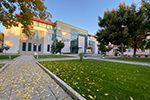
English-taught Dental Medicine with six online entrance-test dates in 2026. The programme is 5 academic years plus a 9-month pre-graduation internship.
Varna Medical University offers Dental Medicine in English in Bulgaria’s Black Sea coastal city. Its published curriculum describes a 6-year programme including 10 semesters, clinical practices and a 135-working-day state clinical internship after the 10th semester.
2026 admission highlights:
Varna combines a specialist medical university environment with a large international student community and a coastal city setting.
€10,000 / years 1-2
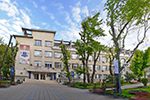
English-taught Dental Medicine in Varna with online Biology and Chemistry admission tests in 2026. The current 2026/2027 fee schedule starts at €10,000 per year.
Planning to apply for Dentistry in Bulgaria in 2026? Compare your academic profile, exam options and document timeline before choosing a university.
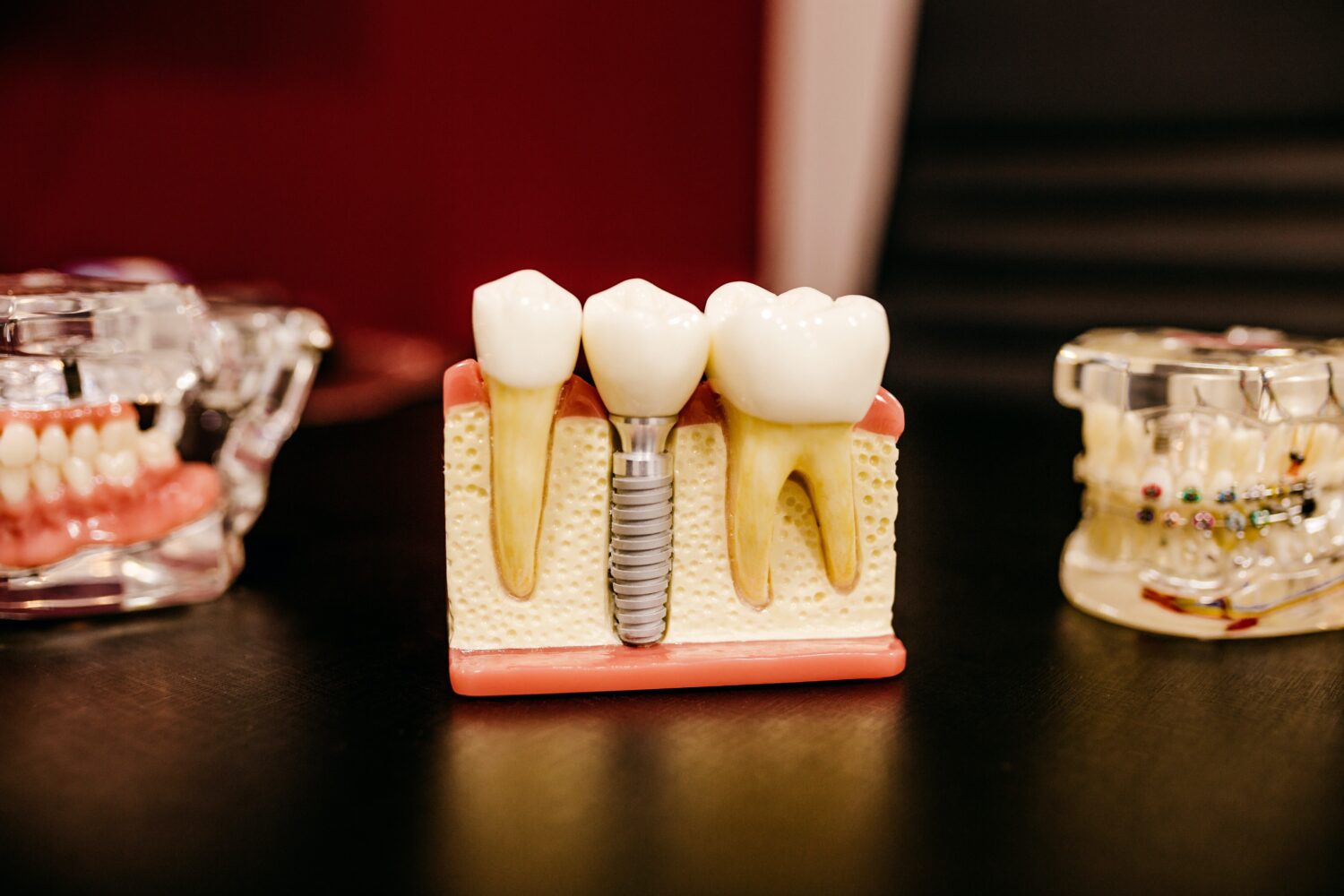
The three universities share a common base - a secondary-school qualification that gives access to higher education, Biology and Chemistry preparation, the required foreign-document recognition, and successful university admission tests. The exact thresholds and English-language route differ by university.
Do not rely on a single generic grade rule. For example, Plovdiv currently requires applicants to have studied Biology and Chemistry with an average of at least 62% of the maximum grade under the home-country system, while Sofia and Varna apply their own published criteria and ranking rules.
| University | Key academic / document requirement | 2026 entrance assessment |
|---|---|---|
| Sofia Medical University | Eligible secondary-school diploma; relevant school grades; EU/EEA applicants must present a NACID certificate for recognised secondary education with grade equivalence. | Remote English, Biology and Chemistry exam |
| Plovdiv Medical University | Biology and Chemistry must have been studied; current rule requires an average of at least 62% of the maximum grade in those subjects. Foreign diplomas require the published NACID/document route. | Online Biology and Chemistry plus English diagnostic assessment |
| Varna Medical University | Eligible diploma and the university’s required school-subject grades. Applicants for English Dental Medicine sit Biology and Chemistry entry tests in English and must meet the English-proficiency route. | Online Biology and Chemistry; English proficiency assessed separately |
All three universities publish online or remote entrance testing for the 2026 admissions cycle.
Exact syllabi and question types differ. Use the current university preparation material for Biology and Chemistry rather than assuming one shared exam format.
UK applicants need a school-leaving qualification that gives access to higher education and must satisfy the subject rules of the chosen university. There is no single Bulgaria-wide A-level grade threshold. Plovdiv’s current admissions page, for example, requires Biology and Chemistry to have been studied and an average of at least 62% of the maximum grade in those subjects under the applicant’s home grading system.
If your qualification, subject combination or grading system is unusual, check eligibility before paying exam fees or arranging translations.
Academic admission is university-specific, while the administrative route also depends on nationality. EU/EEA citizens do not normally need a Bulgarian Type D student visa. Non-EU applicants should allow additional time for education-document approval, visa and residence procedures after admission.
Because non-EU document processing can begin earlier than the final university ranking, applicants should build their timeline around both the university deadline and immigration requirements.
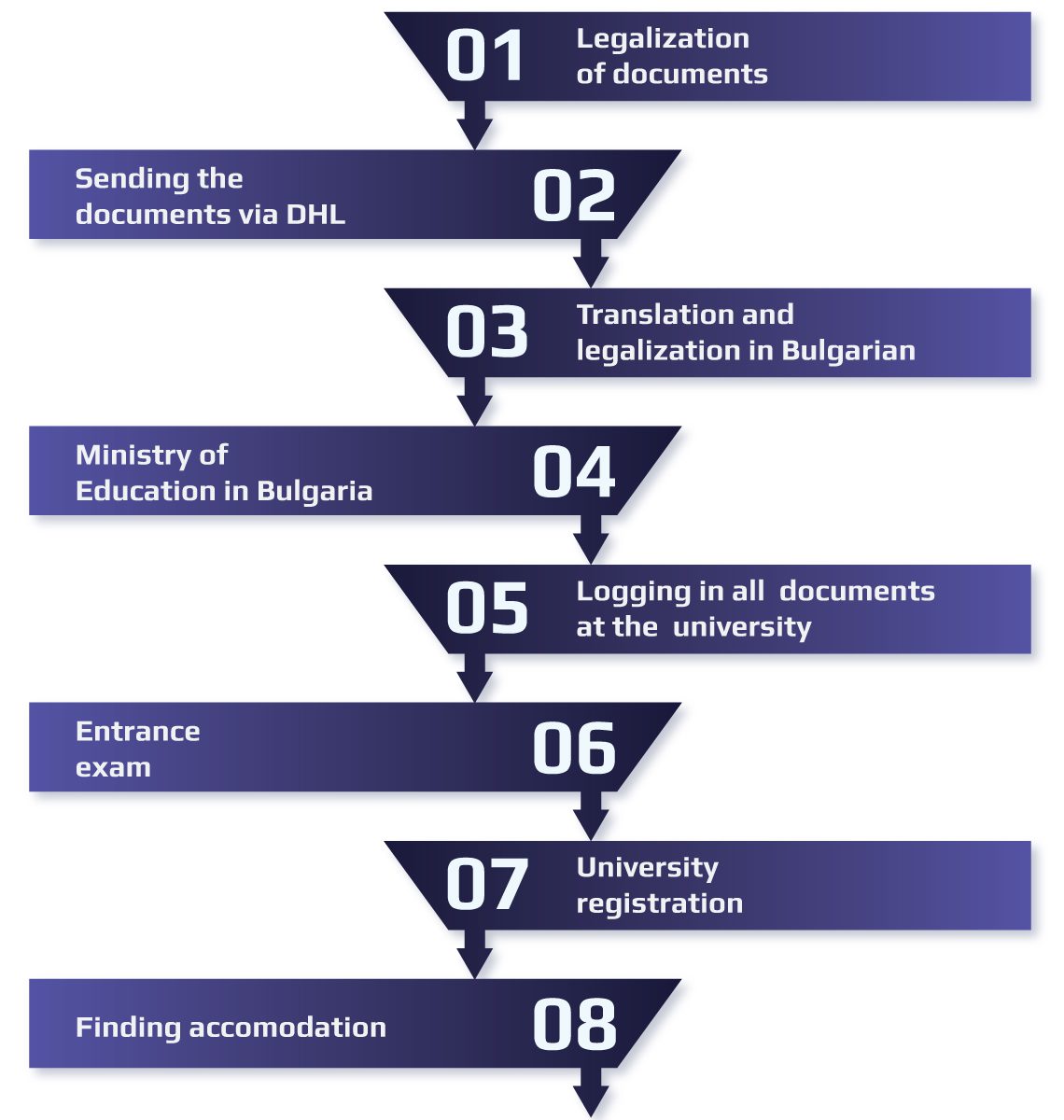
Typical application documents include the completed university form, secondary-school diploma and transcript, proof that the qualification gives access to higher education, ID/passport documents, photos and any university-specific declarations or health documents.
Foreign secondary-school qualifications may require recognition by Bulgaria’s National Centre for Information and Documentation (NACID). Translation, apostille/legalisation and certification rules depend on the country of issue and the university. Plovdiv explicitly lists a NACID secondary-education certificate among its foreign-diploma application documents; Sofia also requires a NACID recognition certificate for the published EU/EEA route.
Not as one universal Bulgaria-wide rule. Sofia includes English in its entrance exam. Plovdiv uses an English diagnostic component in its competition score. Varna requires applicants to satisfy its English-proficiency route, which may be completed through the university test or accepted evidence depending on applicant status. Check the exact route for your university rather than assuming an external certificate is always required or never required.
Bulgaria does not offer a standard four-year graduate-entry Dentistry route equivalent to a fast-track programme for graduates. Previous dental studies may still be relevant for a transfer or recognition of individual study periods.
Sofia Medical University publishes a transfer-document deadline for foreign students and evaluates transfers under its university rules. Transfer decisions remain academic decisions of the receiving university. If you are already enrolled in Dentistry elsewhere, use the iGeneration transfer guide and prepare a transcript plus detailed syllabi before requesting an assessment.
The currently published first-year tuition is €10,000 at Sofia, Plovdiv and Varna for English-taught Dental Medicine in 2026/2027. Do not treat a simple multiplication of today’s annual fee as a guaranteed six-year total – tuition is approved by academic year and can change before later study years.
| University | Published 2026/27 fee information | Important note |
|---|---|---|
| Sofia Medical University | €10,000/year for Dental Medicine in English on the current 2026/27 foreign-student admissions page | Recheck the Faculty of Dental Medicine fee schedule every academic year. |
| Plovdiv Medical University | €10,000 for newly admitted first-year Dental Medicine students in English | The 2026/27 admissions page publishes the first-year fee for new entrants; future-year fees should be checked annually. |
| Varna Medical University | Years 1-2: €10,000/year; years 3-4: €9,000/year; years 5-6: €8,000/year for students in those study years during 2026/27 | This is the 2026/27 schedule, not a guarantee that a new entrant’s future fees will remain identical. |
Build a multi-year budget using four separate categories: tuition, accommodation, everyday living costs, and one-off administration costs such as translations, legalisation, NACID, exam/application fees and – for non-EU students – visa/residence costs. Recheck tuition before every academic year.
The city tabs below are planning estimates rather than official university prices. Rent is usually the largest variable, and a private apartment can differ substantially from a university dormitory or shared accommodation.
Sofia Medical University
2026/27 published Dental Medicine tuition: €10,000/year on the current international admissions page.
Older faculty fee schedules used different amounts by study year, so students should check the updated Faculty of Dental Medicine schedule before each annual payment.
Programme structure: full Dental Medicine curriculum including pre-graduate internship and state examinations.
Plovdiv Medical University
2026/27 tuition for newly admitted first-year students: €10,000.
The university’s 2026/27 admissions page publishes the fee for new first-year students. Later-year tuition should be checked in the fee schedule applicable to that academic year rather than assumed in advance.
Programme structure: 5 academic years (10 semesters) + 9-month pre-graduation internship.
Varna Medical University
2026/27 Dental Medicine fee schedule:
Programme structure: 6 years, including 10 semesters and a state clinical internship after the 10th semester.
Sofia – monthly planning range
Planning range: roughly €650-€900+ per month depending on accommodation and lifestyle. Treat this as a budget guide, not a fixed price.
Plovdiv – monthly planning range
Planning range: roughly €550-€800+ per month depending on accommodation and lifestyle.
Varna – monthly planning range
Planning range: roughly €600-€850+ per month depending on accommodation and lifestyle.
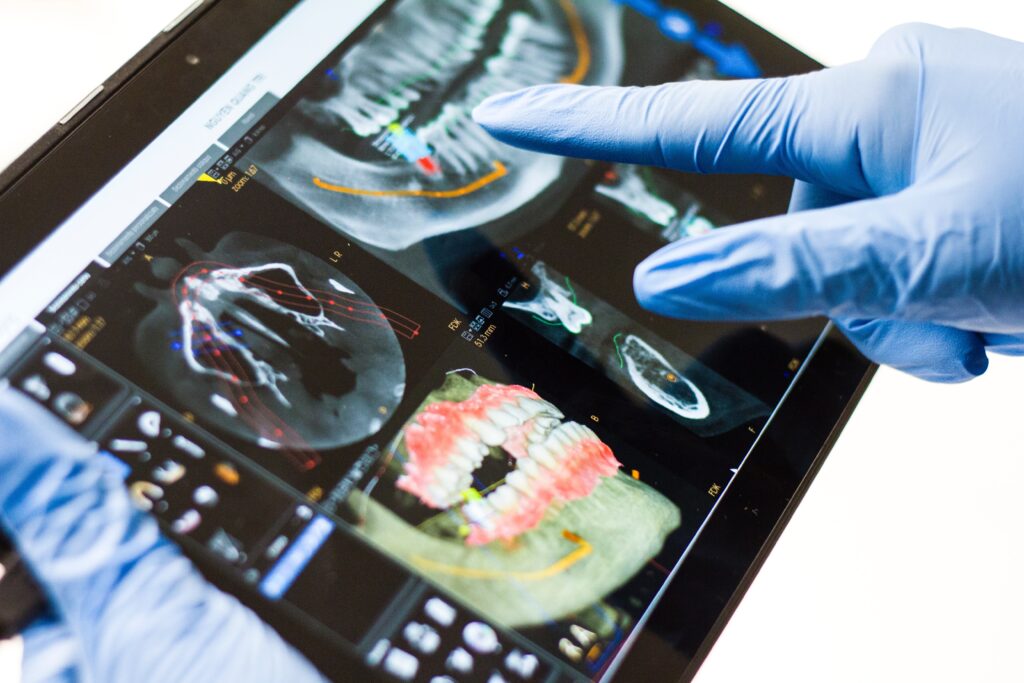
EU/EEA: Dentistry is one of the sectoral professions covered by Directive 2005/36/EC. Basic dental qualifications that satisfy the Directive's minimum training conditions and are listed in Annex V can benefit from automatic professional recognition across EU countries. Graduates must still complete the registration, language and professional requirements of the country where they intend to practise.
United Kingdom: Dentistry is regulated by the General Dental Council (GDC), not the GMC. A Bulgarian dental degree does not by itself give permission to practise in the UK. The GDC provides different routes for dentists qualified outside the UK, and the route depends on whether the exact qualification is recognised under the rules in force when the graduate applies. If a qualification is not recognised for direct registration, an examination route such as the ORE may be required.
Important: WDOMS/WHO-style directory references are not substitutes for professional registration. Check the competent regulator in the country where you plan to work.
iGeneration provides independent application support for students applying to Dentistry in Bulgaria. Support can include:
Admission, ranking, transfer and credit-recognition decisions are made by the universities and cannot be guaranteed. iGeneration provides independent admissions support and does not make university admission decisions.
Because deadlines and university rules can change during the admissions cycle, recheck the official source immediately before each consequential step.
Studying Dentistry abroad is not only an academic decision. Over several years, your city, classmates, language environment and clinical setting become part of the training experience.
In Bulgaria, the practical difference is that you study in an international cohort while adapting to a different healthcare system and gradually learning enough Bulgarian for patient-facing clinical work.
Dental training is patient-facing, so communication matters as much as technical knowledge. Studying in another country forces you to become more deliberate about how you explain, listen and adapt.
Your cohort can become a long-term professional network rather than just a social circle. Living abroad also means learning to manage housing, documents, travel and study routines independently.
Bulgarian Dental Medicine programmes move from preclinical training into supervised clinical work and pre-graduation/state internships. Adapting to another healthcare environment can make that transition more demanding, but also more instructive.
| City | Student environment | Budget profile | Best fit if you want… |
|---|---|---|---|
| Sofia | Capital city, largest urban environment, broadest transport and services | Usually the highest housing budget of the three | Big-city pace, more choice and a large international environment |
| Plovdiv | Compact university city with a large student population | Often easier to manage on a moderate monthly budget | A more compact daily routine and multiple 2026 online exam dates |
| Varna | Coastal university city with an established international medical-student community | Rent varies strongly by area and season | University life combined with the Black Sea coast |
City choice should support the academic decision, not replace it. Compare eligibility, exam format, fees, clinical training and recognition first; then use lifestyle and budget as tie-breakers.
For a six-year professional degree, the strongest choice is the university where your admissions profile, exam schedule, budget and future recognition route all make sense together. A city you enjoy can make the experience better, but it cannot compensate for a poor academic or financial fit.
Applicants need a secondary-school qualification that gives access to higher education and must meet the chosen university’s Biology, Chemistry, document and language rules. There is no single Bulgaria-wide grade threshold. Plovdiv currently requires applicants to have studied Biology and Chemistry with an average of at least 62% of the maximum grade in those subjects; Sofia and Varna apply their own published criteria.
The currently published first-year tuition for English Dental Medicine in 2026/2027 is €10,000 at Sofia, Plovdiv and Varna. Varna publishes a 2026/27 schedule of €10,000 in years 1-2, €9,000 in years 3-4 and €8,000 in years 5-6. Future academic-year fees can change, so a six-year total should not be treated as guaranteed.
All three use online or remote testing in 2026. Sofia publishes a remote English, Biology and Chemistry exam. Plovdiv runs online entrance tests on six dates. Varna publishes online Biology and Chemistry entrance tests. The detailed question format and English assessment differ by university.
Sofia publishes an EU/EEA exam on 3 September 2026. Plovdiv publishes online tests on 15 April, 15 May, 16 June, 17 July, 18 August and 4 September 2026. Varna publishes online dates on 4 April, 16 May and 13 June, with 16 July and 3 September listed for EU applicants.
There is no single rule across all three universities. Sofia assesses English in its entrance exam; Plovdiv uses an English diagnostic component; Varna requires applicants to satisfy its English-proficiency route, which can involve the university test or accepted evidence depending on the applicant category.
Plan for roughly six years overall, but the structure differs. Plovdiv describes Dental Medicine as 5 academic years (10 semesters) plus a 9-month pre-graduation internship. Varna describes a 6-year programme including 10 semesters and a 135-working-day state clinical internship. Sofia’s curriculum also includes pre-graduate internship and state examinations.
A Bulgarian dental degree does not automatically give the right to practise in the UK. Dentistry is regulated by the General Dental Council (GDC). Graduates must use the GDC registration route that applies to their exact qualification when they apply. If the qualification is not recognised for direct registration, an examination route such as the ORE may be required.
Basic dental qualifications that meet the minimum training conditions in Directive 2005/36/EC and are listed in Annex V can benefit from automatic professional recognition within the EU. Graduates must still meet the registration, language and other professional requirements of the country where they intend to practise.
No standard four-year fast-track graduate-entry Dentistry programme is offered as the normal route in Bulgaria. Previous dental studies may still be considered for transfer or recognition of study periods. Transfer and credit decisions are made by the receiving university.
Three medical universities offer Dental Medicine in English: Sofia Medical University, Plovdiv Medical University and Varna Medical University. Their 2026 admission formats, deadlines and programme structures differ, so applicants should compare the universities rather than treating them as interchangeable.
Sofia Medical University’s current 2026/2027 international admissions page publishes €10,000 per year for Dental Medicine in English. Because fee schedules can change between academic years, students should recheck the Faculty of Dental Medicine fee page before each annual payment.
Sofia, Plovdiv and Varna all publish online or remote Dentistry admission testing in 2026. Plovdiv has the widest published choice of dates with six online sessions. Sofia publishes a remote exam, while Varna publishes multiple online Biology and Chemistry test dates.
The 2026 admission facts on this page were cross-checked against official university and regulator sources. Use these references for the final check before paying fees, sending original documents or making a recognition decision.
Last reviewed: August 2026.
Questions about studying in Bulgaria or your application? Our team is ready to help.
We use cookies and similar technologies to run this site, to measure how it is used (analytics), and to measure and personalise advertising. Some data may be shared with and processed by Google for advertising measurement and, where you allow it, personalised advertising.
Required for the website to function. These cannot be switched off.
Lets us measure visits and how the site is used so we can improve it (analytics_storage).
Enables advertising measurement, use of advertising data, and personalised advertising where applicable. Data may be shared with and processed by Google. (ad_storage, ad_user_data, ad_personalization)



