International students can study Medicine in Bulgaria in English at seven universities. The medical degree normally lasts six years, and currently published or announced first-year tuition is generally about €8,000 to €10,000, depending on the university. Some 2026/2027 fees remain subject to final university confirmation. Admission normally requires a secondary-school qualification that gives access to higher education, a background in Biology and Chemistry, and entrance tests in Biology and Chemistry; English testing or proof varies by university. Most universities have an autumn intake, while Medical University Pleven’s international English Medicine intake begins in February 2027. EU/EEA and non-EU applicants follow different document and visa routes, and foreign school diplomas may require NACID recognition.
University choice usually comes down to tuition, entrance-exam format, application deadlines, document recognition, intake timing, city and the country where you plan to practise after graduation.
Last reviewed: August 2026. Admission dates, tuition fees and regulatory requirements can change. Check the current requirements for your chosen university before submitting an application.
| Quick fact | 2026 information |
|---|---|
| Degree duration | 6 years |
| Teaching language | Medicine is available in English. Bulgarian is normally studied during the degree and is important for communication with patients during clinical training. |
| First-year tuition | About €8,000 to €10,000, depending on the university. Check the current university notice before applying because some 2026/2027 fees may still be subject to confirmation. |
| Entrance exam | Usually Biology and Chemistry. English testing or proof depends on the university and applicant background. |
| Exam format | Several universities use online or remote entrance exams in 2026. The format is university-specific. |
| Main intake | Mostly September or October 2026. Pleven’s international English Medicine intake is February 2027. |
| EU recognition | Medical qualifications that meet Directive 2005/36/EC and Annex V conditions can use the EU automatic-recognition route. Registration with the competent authority in the destination country is still required. |
| UK / GMC | The GMC does not endorse a blanket list of “GMC-recognised” overseas medical schools. Applicants should check the GMC route that applies to their qualification and circumstances. |

2026 Medicine Application Topics

Bulgaria currently has seven options for international students seeking an English-taught medical degree. Academic background, budget, city, entrance-exam timing and future registration plans all affect which university is a realistic fit.
The medical university comparison helps narrow the shortlist, while the university-specific admission and exam pages show the requirements that can change the decision.
Tuition should be weighed alongside exam format, document deadlines, intake date, recognition requirements and the country where you plan to practise after graduation.
Seven universities currently offer Medicine in English in Bulgaria. Published tuition, entrance-exam format and intake timing differ by university, and some 2026/2027 figures remain subject to final confirmation. Tuition shown is the first-year fee unless a staged fee is noted.
| University | City | Medicine tuition | Entrance exam | Main intake | Admission and exam details |
|---|---|---|---|---|---|
| Sofia Medical University | Sofia | €9,950/year | Remote – English, Biology and Chemistry | October 2026 | Admission requirements Entrance exam details |
| Sofia University St. Kliment Ohridski | Sofia | €8,000/year – latest official fee located is for 2025/2026; confirm 2026/2027 | Biology and Chemistry in English – confirm the current 2026 schedule before applying | Autumn 2026 | Admission requirements Entrance exam details |
| Plovdiv Medical University | Plovdiv | €10,000 in Year 1 | Online – Biology and Chemistry, with English depending on applicant status | Autumn 2026 | Admission requirements Entrance exam details |
| Varna Medical University | Varna | €10,000/year | Online – Biology and Chemistry; English requirements depend on applicant background | Autumn 2026 | Admission requirements Entrance exam details |
| Trakia University | Stara Zagora | €9,000 in Years 1-2; €7,500 in Years 3-5; €7,000 in Year 6 | Online – Biology and Chemistry; English exam for applicants from countries where English is not an official language | September 2026 | Admission requirements Entrance exam details |
| Pleven Medical University | Pleven | €9,000/year | Biology and Chemistry; published online entrance-exam dates are available for the 2026 application cycle | February 2027 | Admission requirements Entrance exam details |
| Burgas State University – Faculty of Medicine | Burgas | €10,000/year currently listed as €5,000 per term (TBC by the university) | Online – Biology and Chemistry, plus English B1 diagnostic test when required | October 2026 | Admission requirements Entrance exam details |
Fees and dates are reviewed for the 2026/2027 cycle but can still be amended by universities or Bulgarian authorities. Always confirm the current details before payment or travel.
€9,950 / year
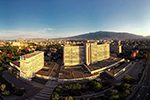
Sofia Medical University offers a six-year Medicine programme in English in Bulgaria's capital. Its location gives students access to a large teaching-hospital network and a broad international student environment.
€10,000 / Year 1
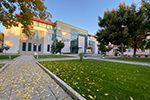
Plovdiv Medical University offers a six-year Medicine programme in English in Plovdiv. It is a practical option for applicants who want a major university city outside Sofia and several admission opportunities during the cycle.
€9,000 / Years 1-2
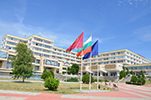
Trakia University offers a six-year Medicine programme in English in Stara Zagora. Its fee structure changes by study year, so applicants should budget across the full degree rather than using only the first-year figure.
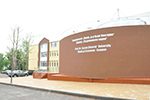
Burgas State University offers a six-year Medicine programme in English in Burgas. The coastal location and current international admission route make it a distinct option among Bulgaria's English-taught medical programmes.

Sofia University St. Kliment Ohridski offers a six-year Medicine programme in English within Bulgaria's largest multidisciplinary university. Applicants should confirm the current tuition notice before payment because the latest official fee located for this audit is for 2025/2026.
€10,000 / year
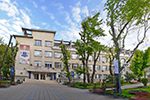
Varna Medical University offers a six-year Medicine programme in English in Varna. It combines a specialist medical-university setting with a large coastal city and an established international student intake.
€9,000 / year
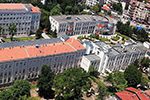
Pleven Medical University offers a six-year Medicine programme in English. Its international intake begins in February rather than the usual autumn start, which changes the application timeline for many applicants.

Admission rules differ by university. Most applicants need a secondary-school qualification that gives access to higher education, sufficient Biology and Chemistry preparation, the required recognised or legalised documents and successful entrance testing. Minimum grades, scoring formulas, English requirements and deadlines should be checked university by university.
Most international Medicine applicants need a completed secondary-school diploma that gives access to higher education in the country where it was issued, evidence of Biology and Chemistry study, the required translated and legalised documents, and a successful university entrance exam. Some universities apply additional grade thresholds or scoring rules.
Requirements vary enough that each university should be checked separately. The medical university comparison is useful for narrowing the shortlist before checking the university-specific admission criteria.
Biology and Chemistry are the core entrance-exam subjects. English is tested, assessed diagnostically or demonstrated through the applicant’s educational background, depending on the university.
Academic requirements are set by the university; the administrative route changes with nationality and residence status. EU/EEA applicants generally follow the university’s EU admission timetable and do not need a Bulgarian Type D student visa. Non-EU applicants often face earlier document deadlines because admission documentation must be processed before the visa and residence stages can begin.
Trakia University, for example, publishes a 21 August 2026 document deadline for EU applicants to its English programmes and a 1 July 2026 deadline for non-EU applicants. Nationality and document country therefore need to be considered before choosing an exam date.
UK applicants follow the non-EU administrative and immigration route. The school qualification must satisfy the university’s admission rules and provide access to higher education, while Biology and Chemistry grades can form part of the ranking formula. There is no single A-level threshold that applies safely to all seven universities.
The application route from the UK and the medical-school comparison for UK students cover the extra timing and selection factors that affect British applicants.
Common application documents can include the secondary-school diploma, academic transcript, proof that the qualification gives access to higher education, identity documents, photographs, application forms and health-related documents. Requirements vary by university and nationality.
Foreign secondary education may need formal recognition by Bulgaria’s National Centre for Information and Documentation (NACID). NACID issues recognition certificates for continuing education at Bulgarian higher education institutions and can provide grade equivalence where required. Legalisation, apostille and Bulgarian translation rules depend on the country where the documents were issued.
The NACID recognition route for university admission and the document steps that commonly cause delays should be checked before sending originals.
Non-EU/EEA students generally need the required university and Bulgarian authority documentation before applying for a Bulgarian long-stay Type D visa. The Bulgarian Ministry of Foreign Affairs requires a personal interview for Type D visa applications. Residence formalities may also apply after arrival.
Visa processing can make non-EU application deadlines materially earlier than EU deadlines. The Bulgarian student visa requirements should be planned alongside the university’s admission timetable.
Already studying Medicine or holding previous university credits? Bulgaria does not offer a standard 4-year graduate-entry Medicine route, but transfers and subject exemptions may be possible in specific cases.

Medicine programmes in Bulgaria normally last six years from entry. A standard four-year graduate-entry Medicine pathway is not part of the Bulgarian system.
Previous Medicine or biomedical study may still matter. A university can assess a transcript for transfer placement or individual subject exemptions based on syllabus content, academic hours, credits, completed examinations and its own academic rules.
The transfer process between Bulgarian medical universities depends on the receiving university's academic assessment. iGeneration can help organise the documentation and compare possible routes; the final academic decision remains with the university.
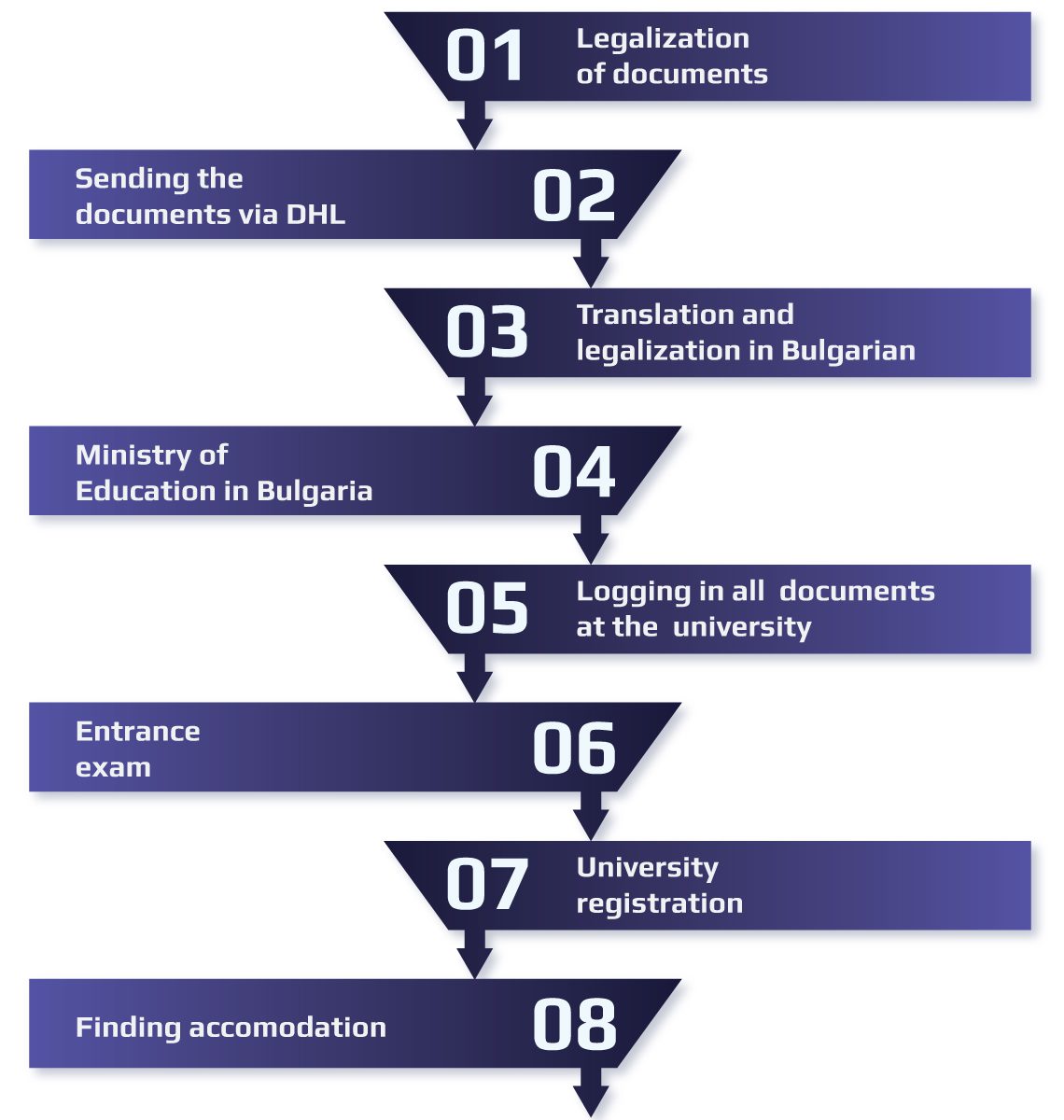
Dates and procedures can change during an admission cycle, so recheck the current university requirements before paying a fee, sending original documents or booking travel.
iGeneration provides independent admissions support for students applying to medical universities in Bulgaria. Support can include:
Admission, ranking, transfer and exemption decisions remain with each university, so admission cannot be guaranteed. Medical University Sofia states that it has no officially authorised recruitment representatives for the 2026/2027 cycle; iGeneration therefore provides independent application support and does not act as the university’s representative.
Book a free consultation with iGeneration to discuss your academic background, preferred universities and 2026 application timeline.
For international Medicine applicants, currently published or announced first-year tuition is generally about €8,000 to €10,000 per year. The exact amount depends on the university, and some 2026/2027 figures remain subject to final confirmation. Trakia University also uses staged tuition that changes by study year.
A six-year budget needs more than the first-year fee. Tuition can change by academic year, some universities charge different amounts in later years, and living costs vary by city and accommodation type.
Monthly student spending commonly includes:
A realistic six-year budget should include tuition, rent, utilities, food, transport and other study-related costs, with a separate allowance for visa or document expenses where they apply.
EU/EEA: Basic medical qualifications that satisfy Directive 2005/36/EC and the relevant Annex V conditions can use the EU automatic-recognition route. Automatic recognition still requires registration with the competent authority in the country where you want to work, and national language, good-standing or other registration requirements may apply.
The General Medical Council does not use “GMC-recognised university” as a blanket approval category for overseas medical schools. It warns students against relying on third-party claims that an overseas programme is “GMC Recognised”, automatically meets GMC requirements or guarantees eligibility for registration. The GMC does not endorse or accredit overseas medical education and assesses qualification acceptability under its current registration rules.
UK registration depends on the GMC’s current rules for acceptable overseas qualifications. The GMC requirements relevant to Bulgarian medical graduates should be checked together with the regulator’s current official guidance before enrolment.
World Directory of Medical Schools listing confirms directory inclusion only. WDOMS states that listing does not establish recognition, accreditation or endorsement, so “WHO-recognised” should not be used as a substitute for the licensing rules in the country where a graduate plans to practise.
Country-specific registration questions are covered in the recognition of Bulgarian medical degrees abroad.
A UK student completing A-levels in Biology and Chemistry would normally work backwards from university document deadlines and entrance-exam dates. UK applicants follow the non-EU administrative route, so diploma recognition, legalisation, translation and visa timing can affect which exam session is realistic.
Document preparation can start before the entrance exam. Where NACID recognition is required, the student can arrange the recognition route, apostille or legalisation and Bulgarian translation while preparing for Biology and Chemistry. The exam date should still leave enough time for ranking, enrolment, university payment and the Type D visa process where required.
Starting document preparation only after the entrance exam can compress several administrative stages into the final weeks before enrolment. For a UK applicant, the workable sequence is usually determined by the earliest document deadline, not only by the preferred exam date.
Yes. Seven Bulgarian universities currently offer Medicine in English for international students. The degree normally lasts six years. Students should still expect Bulgarian-language learning during the programme because communication with patients becomes important during clinical training.
Currently published or announced first-year Medicine tuition is generally about €8,000 to €10,000 per year, depending on the university. Some 2026/2027 figures remain subject to final confirmation, and Trakia University uses staged fees by study year. Applicants should confirm the current university notice before making a payment.
Requirements vary by university, but applicants normally need a completed secondary-school qualification that gives access to higher education, Biology and Chemistry preparation, the required recognised/legalised documents, and successful Biology and Chemistry entrance tests. English assessment rules also vary.
Several universities use online or remote entrance exams in the 2026 cycle, including Sofia Medical University, Plovdiv, Trakia and Burgas, while each university publishes its own format and dates. Always check the current university-specific exam guide before registering.
EU/EEA and non-EU applicants can face different document deadlines and administrative routes. Non-EU applicants usually need more time for Ministry/university processing and a Bulgarian long-stay Type D visa, so their application deadlines can be much earlier.
UK applicants should plan for the non-EU administrative and immigration route. There is no single A-level threshold that applies to all seven universities. Biology and Chemistry results, entrance-exam performance and the university’s own admission formula determine eligibility and ranking.
Many applicants with foreign secondary education need formal recognition or grade equivalence through NACID, and some universities explicitly require a NACID certificate. The exact recognition, legalisation and translation route depends on the country where your school documents were issued.
There is no single rule across all Bulgarian medical universities. Some universities test English directly, some assess it according to the applicant’s educational background, and some may ask for accepted proof of English depending on the applicant’s country or status. Check the chosen university’s current 2026 requirements.
EU rules provide an automatic-recognition route for basic medical qualifications that satisfy Directive 2005/36/EC and Annex V conditions. Graduates still need to apply to the competent authority in the country where they want to practise and meet its registration and language requirements.
The GMC does not endorse or accredit overseas medical education and warns against blanket claims that a programme is ‘GMC Recognised’. Students planning to practise in the UK should check the GMC’s current qualification and registration guidance for their own circumstances.
A standard four-year graduate-entry Medicine programme is not the normal Bulgarian pathway. Medicine is generally six years. Students with previous medical or biomedical studies may be considered for transfer placement or subject exemptions, depending on the receiving university’s academic assessment.
Most English Medicine programmes begin in the autumn, commonly September or October. Pleven is different: its international English Medicine intake for the current cycle begins in February 2027. Check the exact enrolment and academic-year dates for your chosen university.
Official university, Bulgarian government and regulator references used for tuition, entrance exams, document recognition, visas and professional recognition are listed below. Recheck the relevant source before paying fees, sending original documents or making travel arrangements because admission information can change during the cycle.
Last reviewed: August 2026.
Questions about studying in Bulgaria or your application? Our team is ready to help.
We use cookies and similar technologies to run this site, to measure how it is used (analytics), and to measure and personalise advertising. Some data may be shared with and processed by Google for advertising measurement and, where you allow it, personalised advertising.
Required for the website to function. These cannot be switched off.
Lets us measure visits and how the site is used so we can improve it (analytics_storage).
Enables advertising measurement, use of advertising data, and personalised advertising where applicable. Data may be shared with and processed by Google. (ad_storage, ad_user_data, ad_personalization)


